Google Gemini's SynthID watermark: How to remove it from your writing

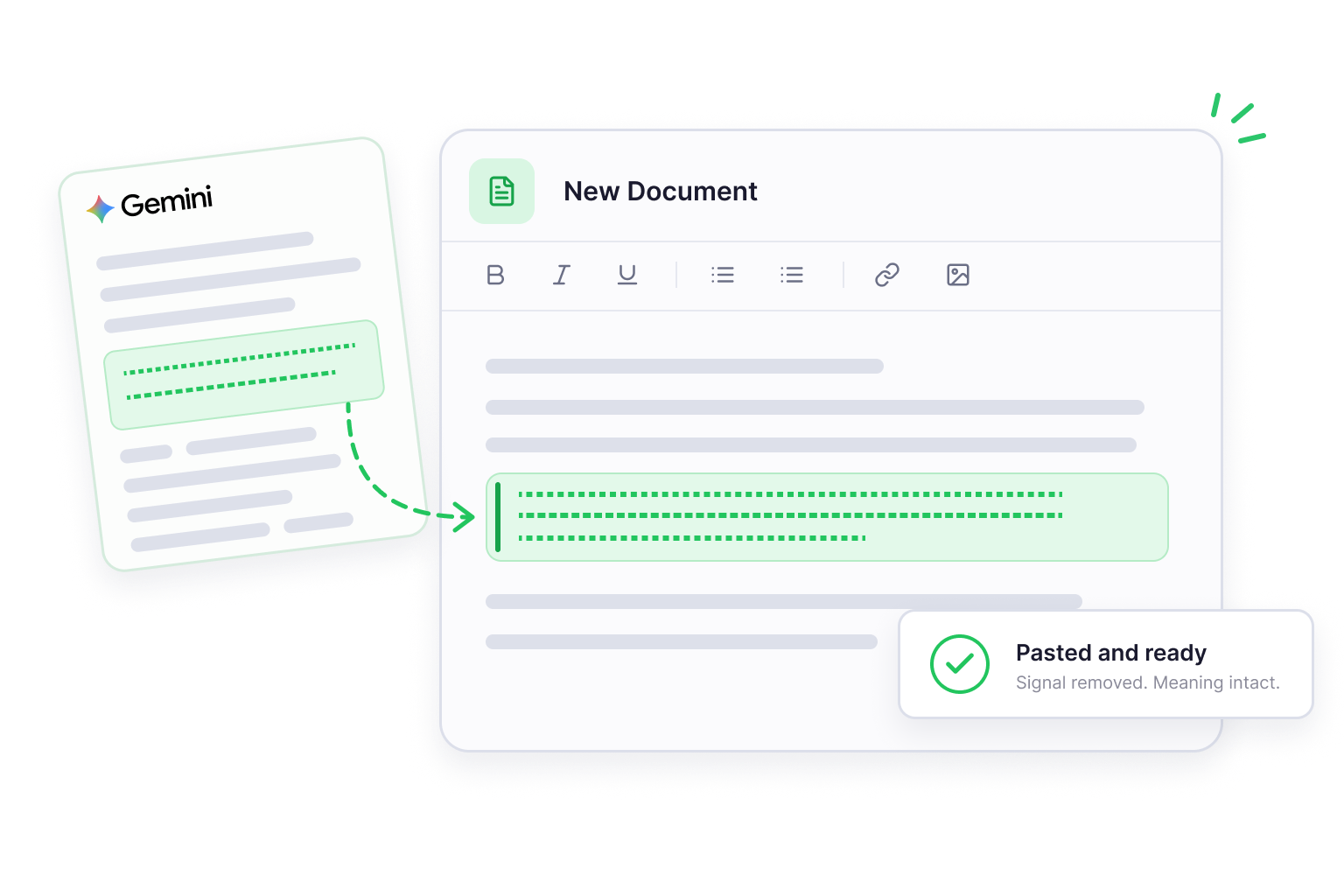
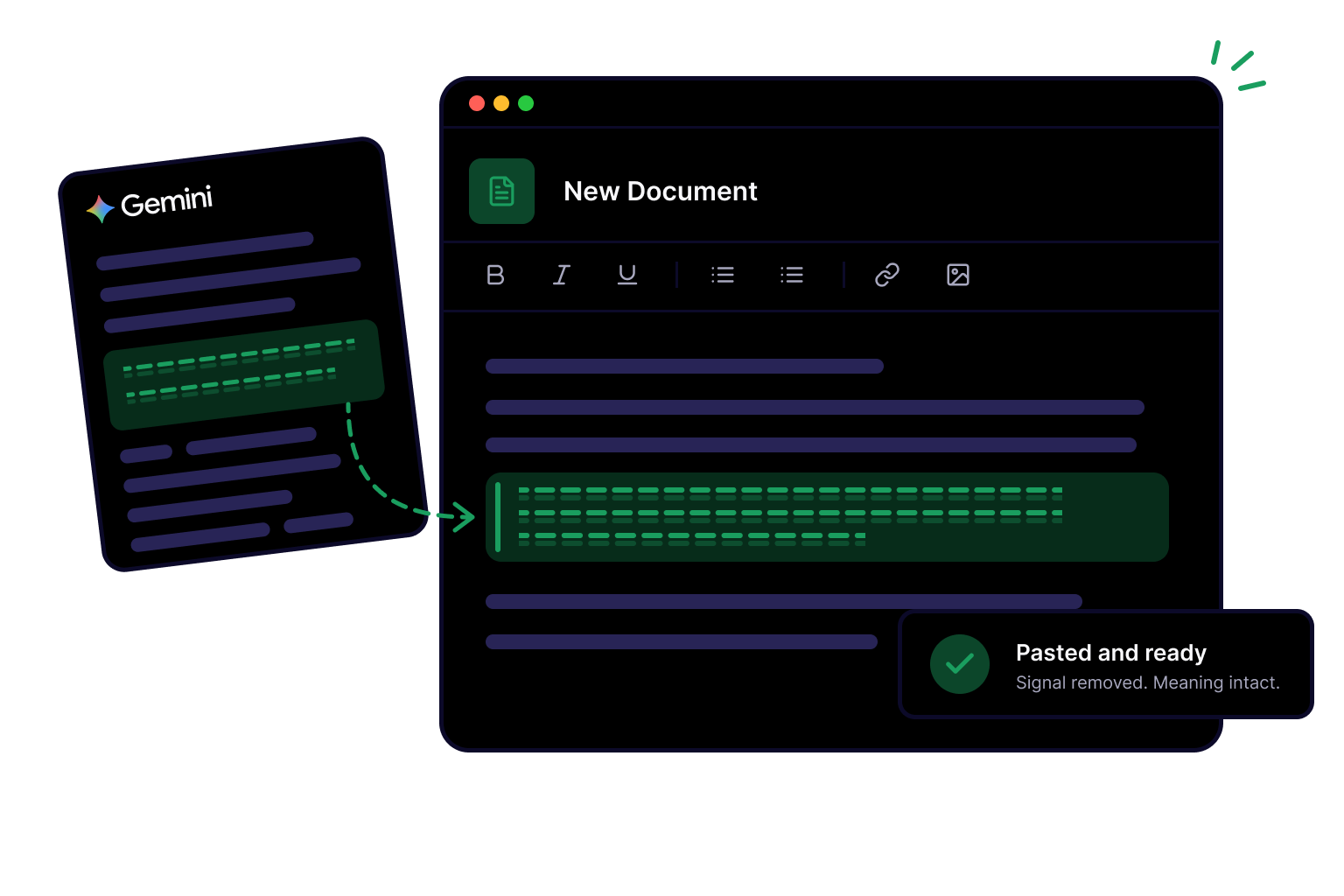
Google has been stamping Gemini's text with SynthID since 2024, an invisible watermark woven into the words themselves. It's on by default in the Gemini app and on the web, and there's no setting to switch it off. StealthGPT's Watermark Remover strips it out at the sentence level, not with a synonym swap, so your words stay yours and the signal doesn't survive the rewrite. Paste in a draft, get back clean output, and publish. It's that easy.

Paste Gemini's output. Get it back free of SynthID.

Words limit: 0 / 500

One Gemini document, or your whole pipeline

Everything you need to catch, strip, and verify Gemini's SynthID mark, whether it's one page or your whole publishing queue.

Paste and Go

One document at a time. Paste in text straight from Gemini, get back a structural rewrite with SynthID gone and the meaning intact. No account setup required to try it, and no limit on how many times you run a piece through before you're happy with it.

Paste and Go

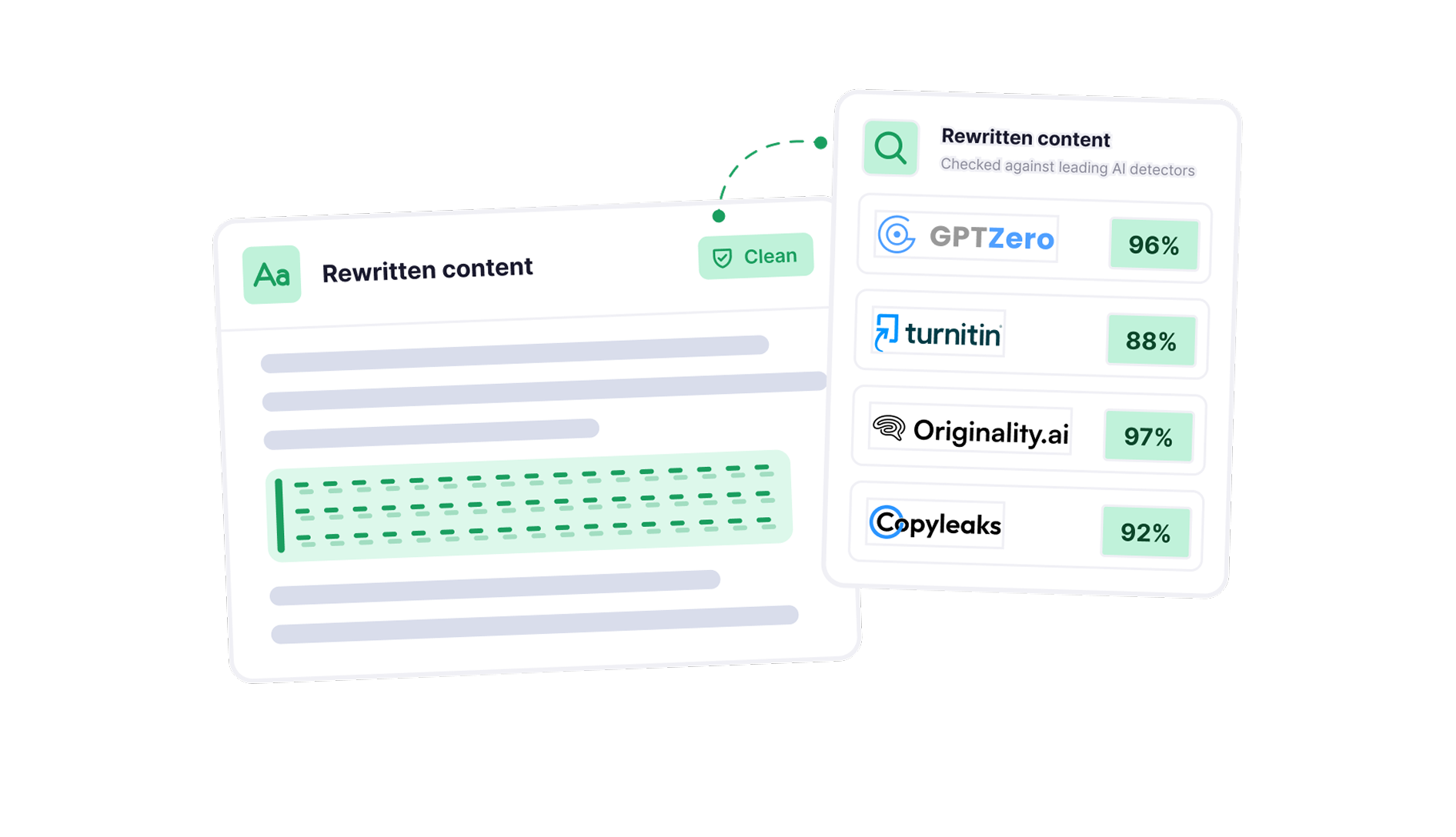
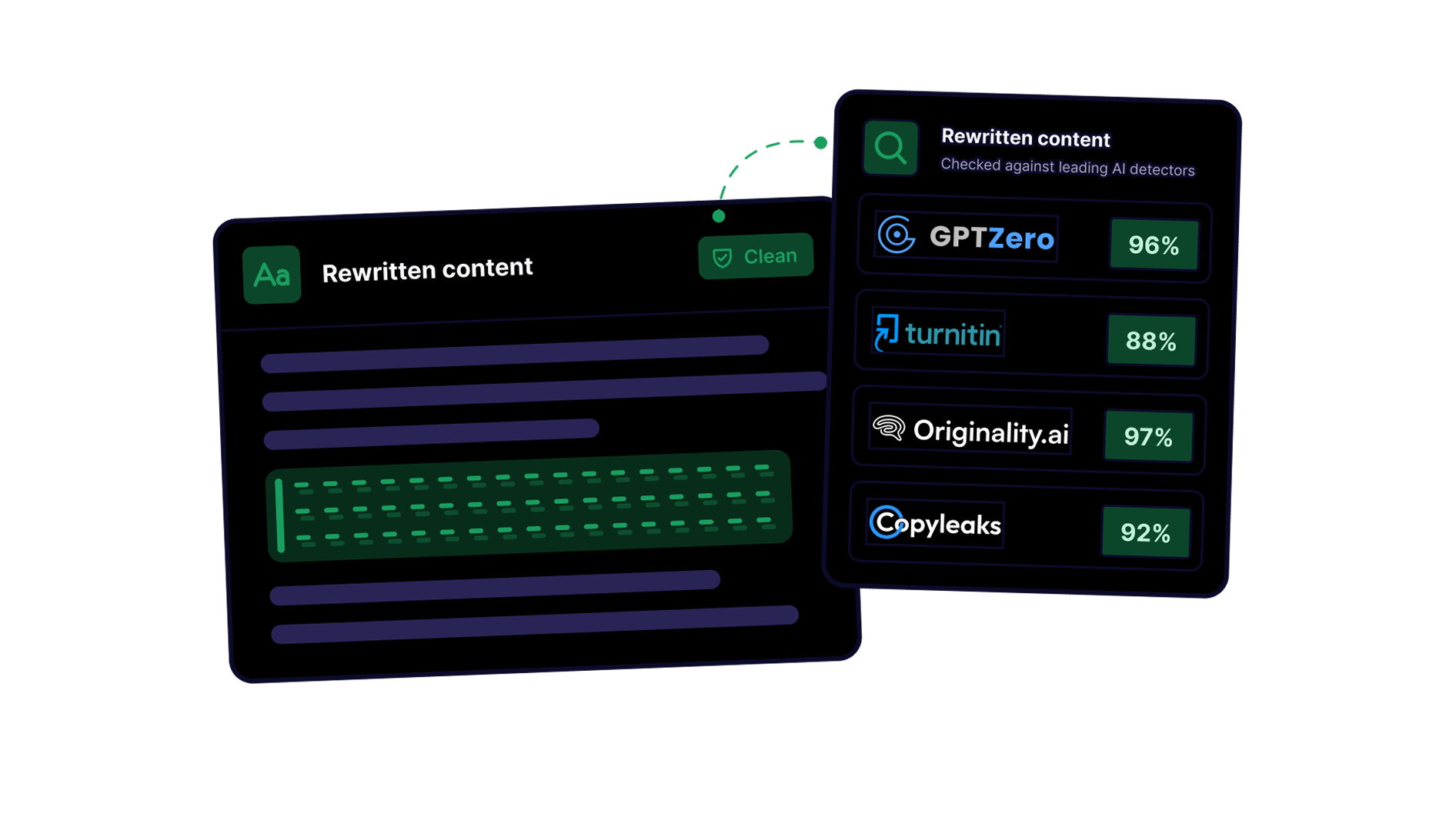
Detection Score on Every Response

No guessing whether a piece is actually clean. Every rewrite comes back with a detection score attached, checked against the leading AI detectors, so you know before you hit publish instead of finding out after.

Detection Score on Every Response

API for Volume

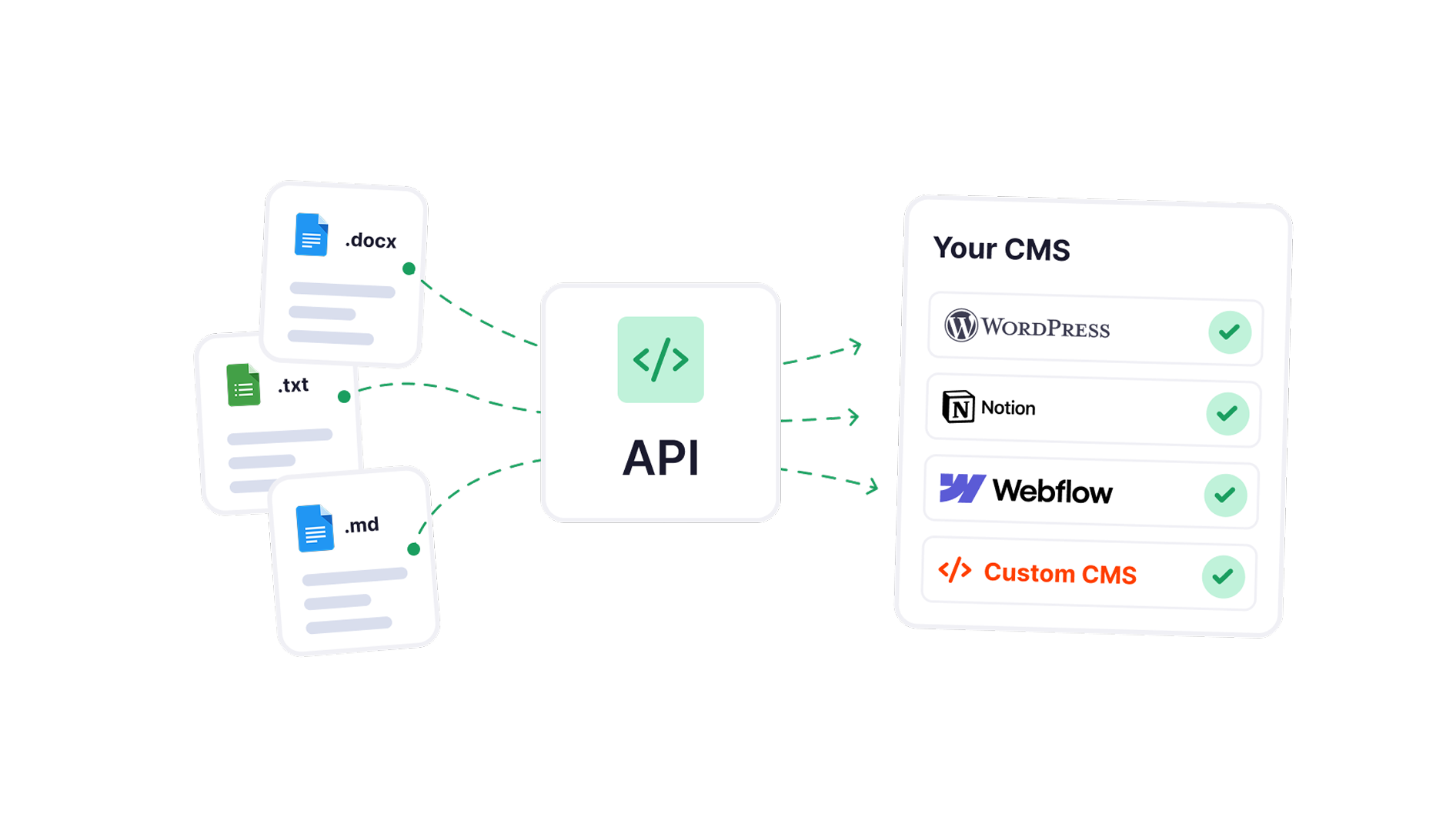
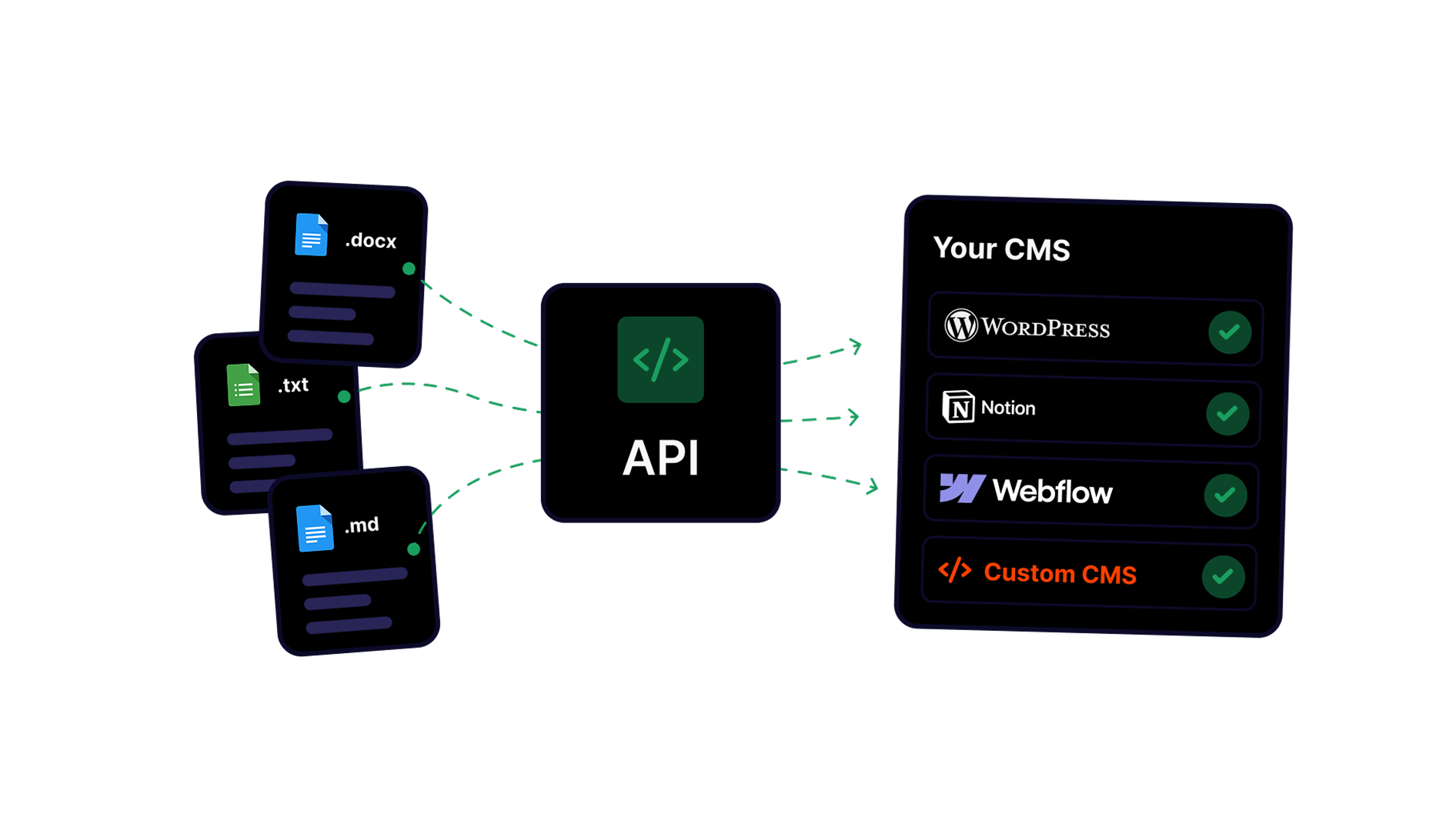
Route Gemini-generated content through the Watermark Remover API before it hits your CMS or publish button. Built for teams generating faster than a human editor can rewrite by hand, with no manual review pass per document and turnaround fast enough to sit inside a real production pipeline.

API for Volume
99%human score
1.5M+active users
1B+words processed

Wait, what's this?

What is Google Gemini SynthID, and can you remove it?

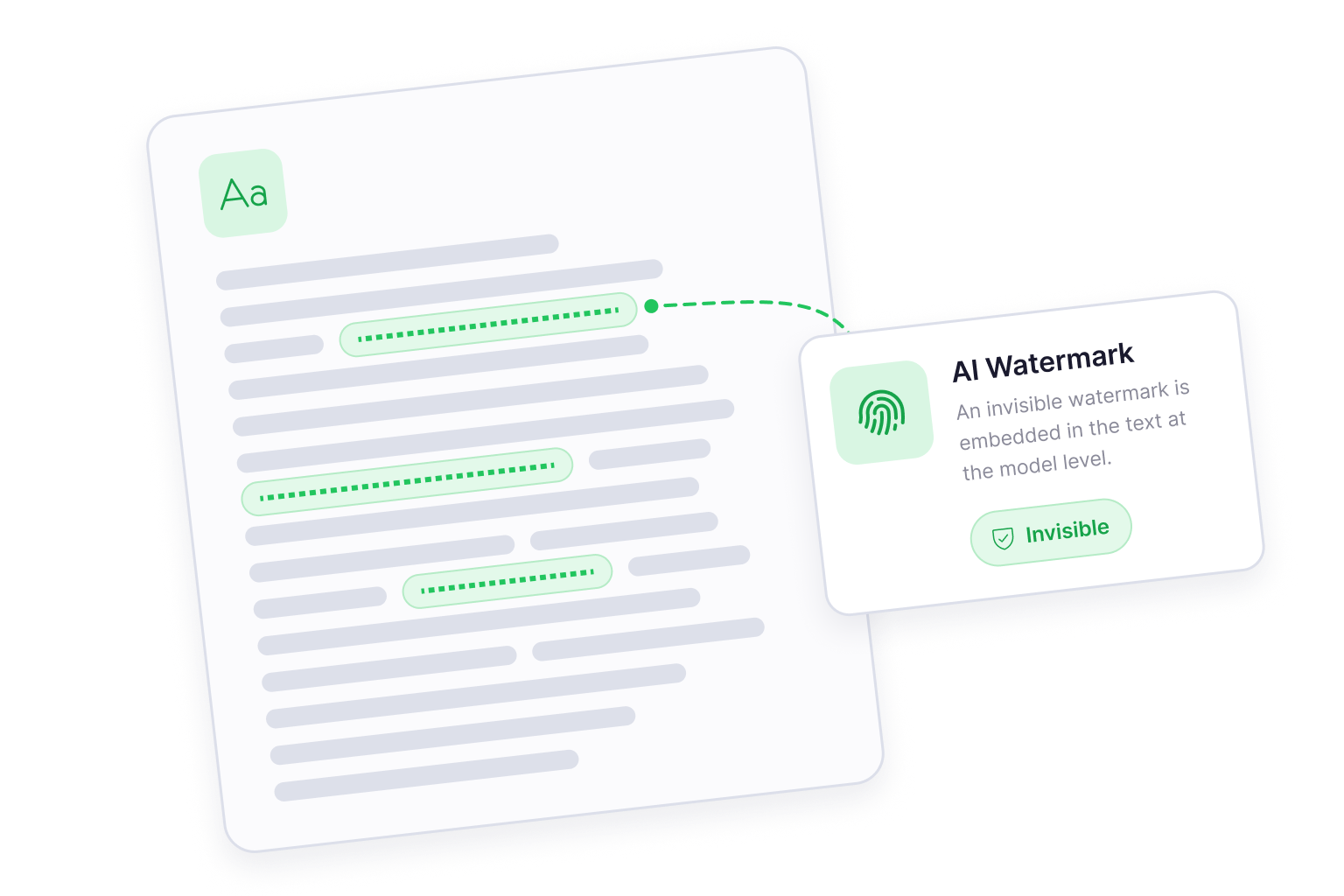
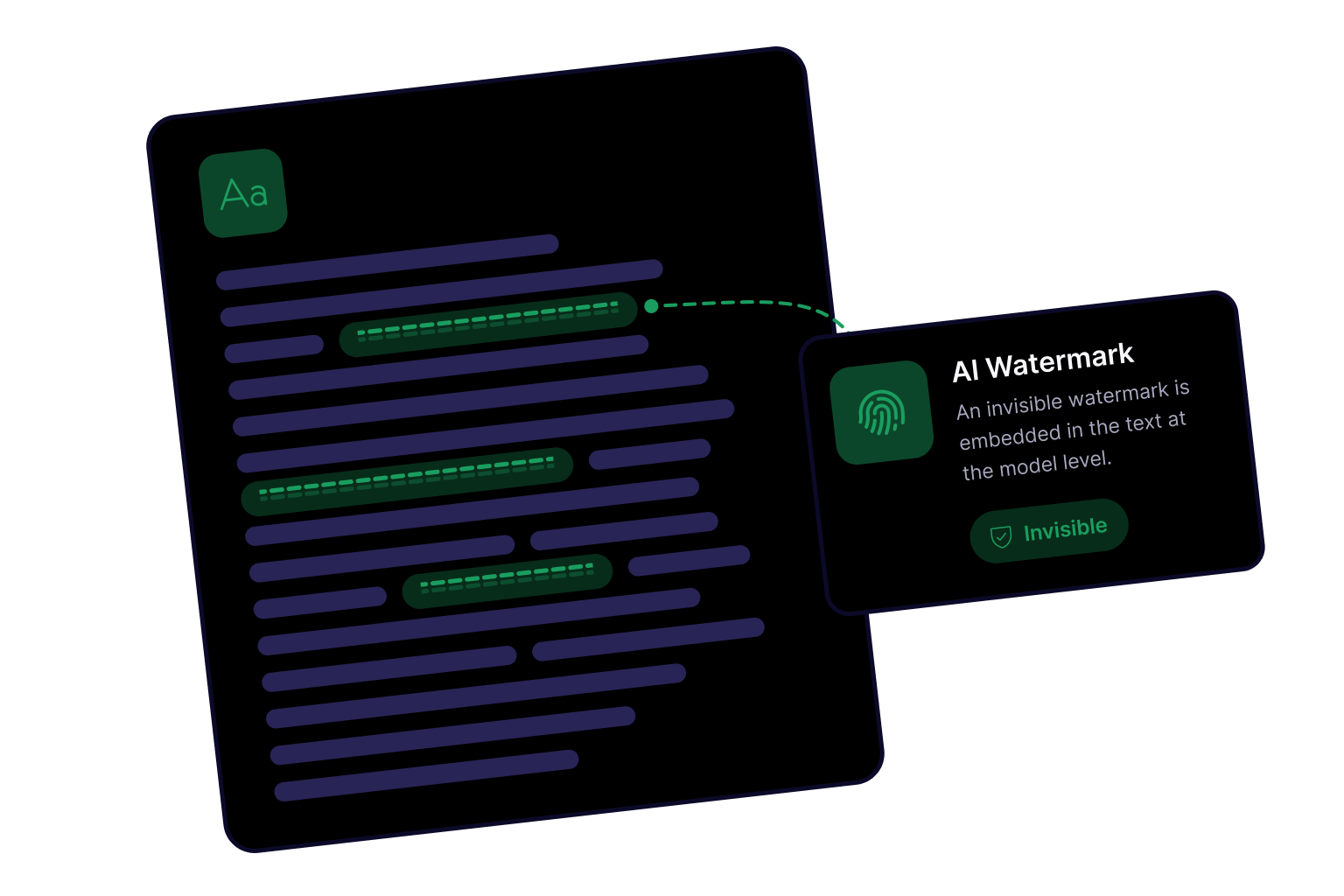
SynthID is Google DeepMind's watermark for AI content, and in text it works nothing like a logo in the corner of an image. As Gemini writes, it scores every possible next word, and SynthID uses a secret key to tilt those scores in a pattern only Google's detector can recognize. Nothing is added to the page: no hidden characters, no metadata. The mark lives in which words Gemini chose, so it travels with the text through copy and paste and holds up through cropping, a few changed words, and mild paraphrasing.

Google's own developer documentation outlines where it breaks: detector confidence drops sharply when text is thoroughly rewritten or translated, and the mark is weaker on short, factual answers where Gemini has fewer word choices to play with. Anthropic's Claude Watermark is also reportedly derived from SynthID text. The Watermark Remover is built for this purpose. It doesn't swap synonyms and hope. It rewrites sentence structure the way a real edit would, which is the type of change SynthID isn't built to survive.


What is Google Gemini SynthID, and can you remove it?

Why a synonym swapper or generic humanizer won't beat Gemini's SynthID

Google built SynthID to survive a few changed words and mild paraphrasing, which is exactly what synonym swapping does.

Rewrite depth

Watermark RemoverStructural, sentence and clause level
Generic humanizerSynonym swap, surface only

Invisible-character cleanup

Watermark RemoverNot the fix; SynthID lives in word choice, not characters
Generic humanizerStrips stray characters, leaves SynthID intact

Detection score

Watermark RemoverShown on every response
Generic humanizerNone, you're guessing

Volume

Watermark RemoverAPI, thousands of documents a day
Generic humanizerOne document at a time

Update cadence

Watermark RemoverUpdated on an ongoing basis as Google's marking method changes
Generic humanizerStatic until it breaks

Output readability

Watermark RemoverReads like your original draft
Generic humanizerClunky, meaning drifts

Frequently Asked Questions

Still have questions?
Learn more in our support page.

SynthID is Google DeepMind's invisible watermarking technology for AI-generated content, covering images, audio, video, and text. In text, it marks what the Gemini app and web experience write so Google's detector can later identify a passage as Gemini-generated. It's on by default, and there's no setting in Gemini to turn it off.

Drop Gemini's SynthID and publish immediately

One person with one document, a team cleaning up internal documentation, or a whole content pipeline built on Gemini, SynthID comes out the same way. Enterprise options are available for teams that need it running quietly in the background.